After a winter storm, it’s natural to look outside, see everything still standing, and assume your roof made it through just fine. But in Maryland and Northern Virginia, many ice damage roof issues don’t show up right away. They often appear days or even weeks later, once the snow melts and water starts moving where it shouldn’t.
At GoodGood Roofing & Siding, we see this every winter. Homeowners are surprised when small signs of snow roof damage turn into leaks or interior stains. Knowing what to look for early helps you stay ahead of repairs and protect your home with confidence.
Key Takeaways
- Ice damage to the roof problems usually appears after snow begins to melt.
- Common winter roof damage signs include ice dams, leaks, and shingle issues.
- A timely roof inspection after snow can prevent larger, more expensive repairs.
If something doesn’t look or feel right after a storm, our team is here to help you understand what’s normal and what needs attention.
The Basics of Ice Damage Roof Issues in Our Area
Ice and snow rarely damage a roof all at once. Most problems come from repeated freeze-thaw cycles. Snow melts during the day, refreezes overnight, and slowly forces water into seams, flashing, and weak spots.
In the Mid-Atlantic, storms often bring wet, heavy snow. That added weight increases the risk of snow roof damage, especially on older roofs or homes with ventilation issues. When warm attic air melts snow unevenly, ice dams form along the roof edge and block drainage.
These conditions create some of the most common winter roof damage signs, hidden leaks, moisture-soaked insulation, and slow structural wear. Because water can travel far from the original entry point, damage isn’t always visible from the outside. That’s why a professional roof inspection after snow is one of the smartest steps a homeowner can take.
What to Consider Before Assuming Your Roof Is Fine
Before you move on from winter storms, it helps to pause and consider a few key factors:
- Roof Age: Older materials lose flexibility and are more vulnerable to ice expansion.
- Ventilation & Insulation: Poor airflow increases ice dam formation.
- Roof Design: Lower slopes and valleys tend to hold snow longer.
- Previous Repairs: Past problem areas often reopen during winter.
- Timing: Many ice damage roof issues appear after the storm, not during it.
Thinking through these points helps you decide whether a roof inspection after snow is a precaution or a necessity.
Common Winter Roof Damage Signs Homeowners Miss
Ice Dams Along the Roof Edge
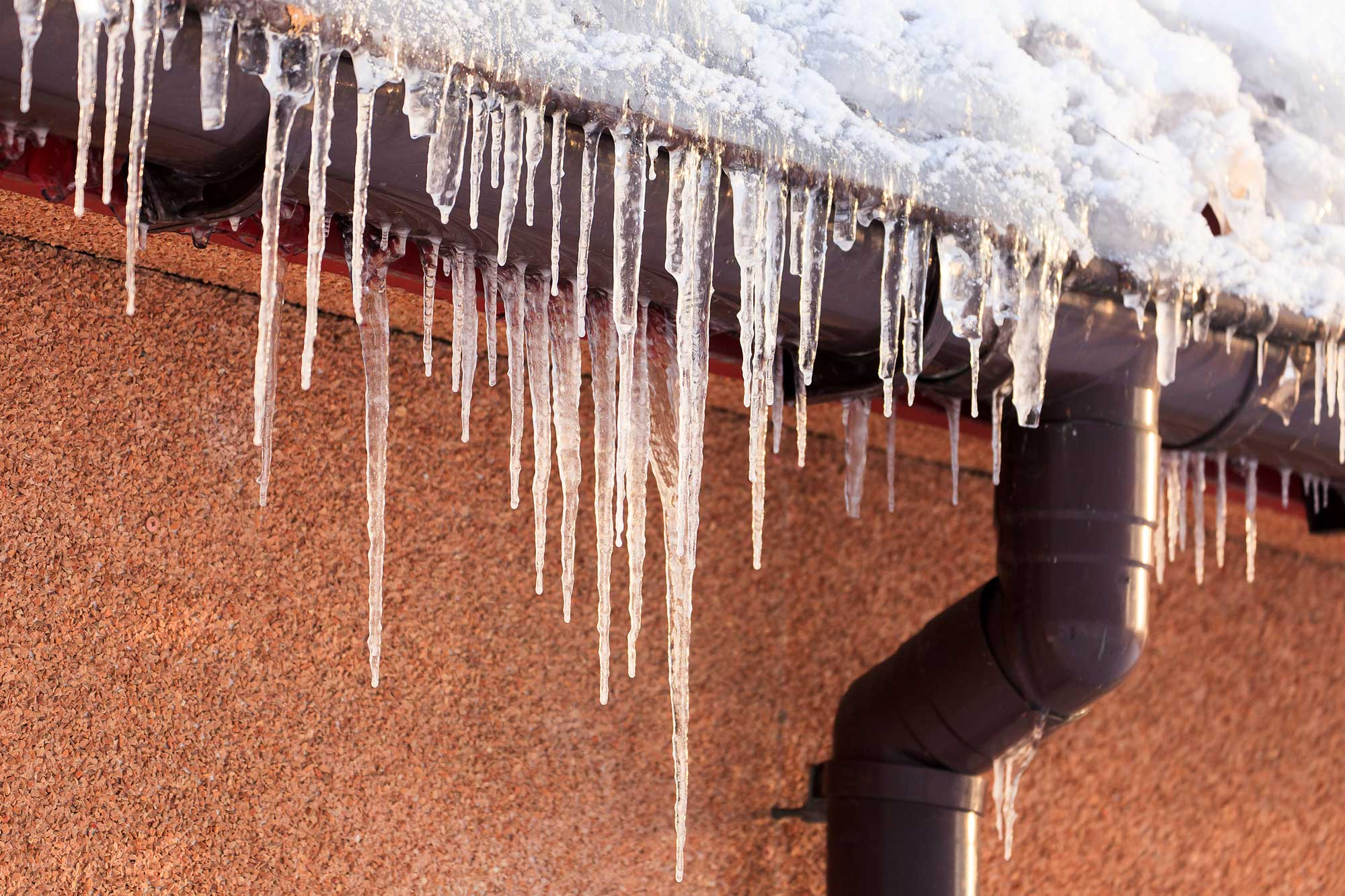
Thick ridges of ice near gutters are one of the clearest winter roof damage signs. They trap water and force it back under shingles.
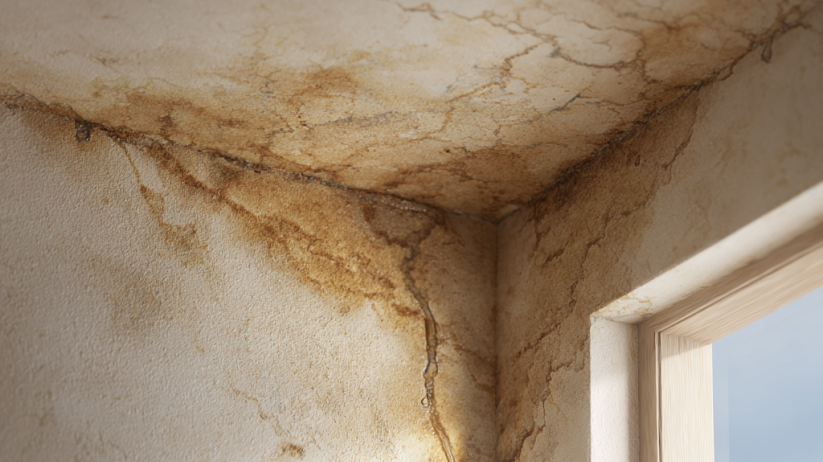
Interior Water Stains
Discoloration on ceilings or walls often means ice damage roof problems are already inside the home.
Sagging or Uneven Rooflines
Heavy snow adds stress. Visible dips can signal serious snow roof damage and should be evaluated promptly.
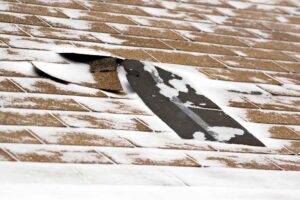
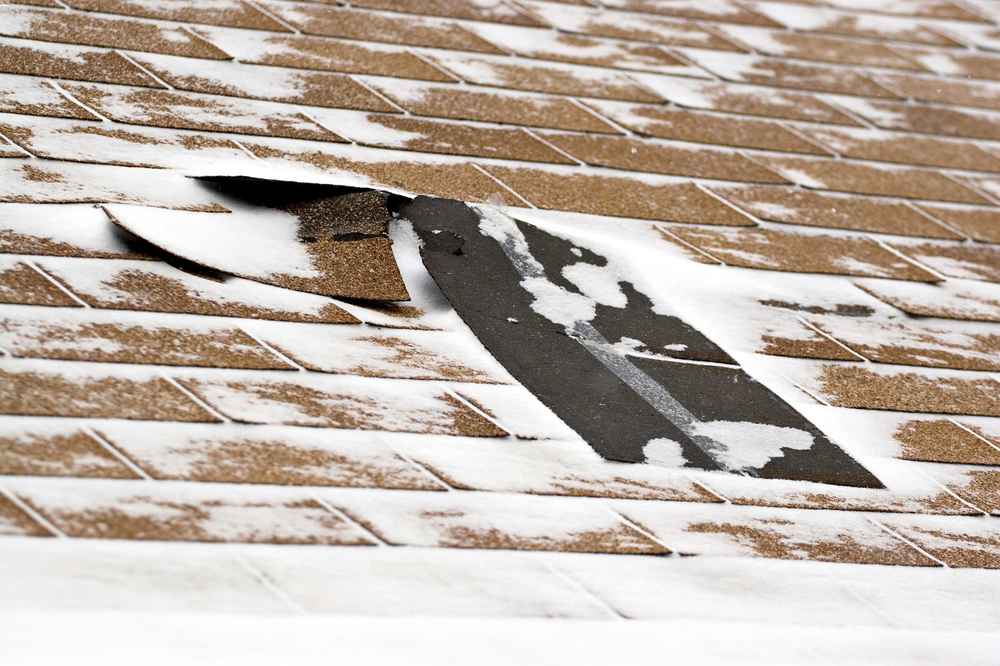
Cracked or Missing Shingles
Freeze-thaw cycles weaken shingles, creating pathways for moisture.
Gutter Stress or Separation
Ice-filled gutters pull away from the house and prevent proper drainage.
Musty Smells or Mold
Lingering moisture from winter leaks creates conditions for mold growth.
Creaking or Popping Sounds
Unusual noises after storms can indicate structural stress from snow load.
What a Roof Inspection After Snow Looks Like
A professional roof inspection after snow goes beyond a surface check. At GoodGood Roofing & Siding, we take a full-system approach.
Exterior Surface Review
We look for cracked shingles, displaced materials, and granule loss caused by ice or wind.
Flashing and Seal Checks
Chimneys, vents, and valleys are common failure points during ice damage roof events.
Attic and Interior Evaluation
Water often shows up inside first. We check insulation, decking, and ventilation.
Gutter and Drainage Assessment
Proper drainage helps prevent repeat snow roof damage and future ice dams.
This process helps homeowners understand not just what is damaged, but why.
Quick Homeowner Checklist
You should consider scheduling an inspection if you’ve noticed:
- Icicles or ice buildup along the roof edges
- New stains or damp spots indoors
- Shingles missing after a storm
- Gutters pulling away or filled with ice
- Persistent drafts or moisture odors
Catching winter roof damage signs early is one of the best ways to protect your home and budget.