
A cold snap hits, the wind picks up, and suddenly your home’s exterior sounds different, with little rattles, new creaks, and that one siding panel that didn’t move last fall. In Maryland, winter isn’t just cold. It’s wet, icy, and full of freeze-thaw swings that can push siding hard.
Here’s the quick answer: winter siding damage usually starts small, a hairline crack, a loose seam, a panel that bows, then grows when moisture freezes and expands. Catching it early can save you a lot of repair work later.
At GoodGood Roofing & Siding, we help homeowners across the region get ahead of winter siding damage with clear inspections, certified installation, and straightforward options. If you’re not good, call GoodGood.
Key Takeaways
- Cracked siding and siding warping often come from freeze-thaw movement and trapped moisture, not “old age” alone.
- The most important siding repair signs are usually around corners, windows, doors, and near overflowing gutters.
- You can do several safe checks yourself, but a pro inspection helps confirm what’s cosmetic vs. what needs repair.
Need a second set of eyes? Visit our homepage to learn how we can help: GoodGood Roofing & Siding.
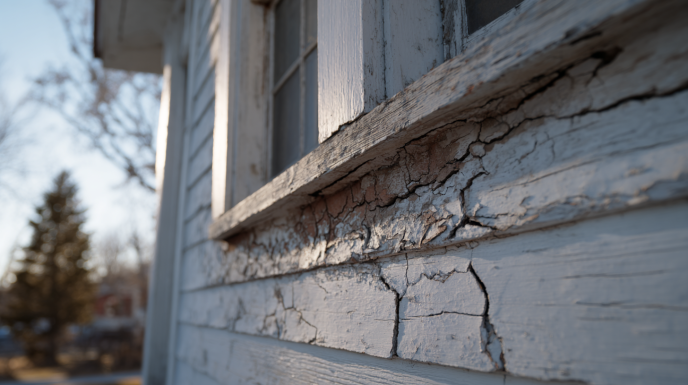
What Winter Siding Damage Looks Like on Maryland Homes
Winter siding damage is any cracking, bending, loosening, or water-related failure that happens when cold temperatures and moisture work together. In the Mid-Atlantic, the biggest culprit is the freeze-thaw cycle: water sneaks into a small gap, freezes overnight, expands, and slowly forces materials apart.
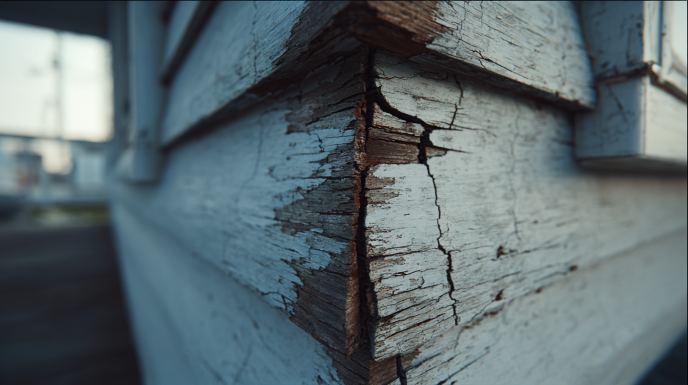
Here’s why that matters. Cracked siding doesn’t just affect curb appeal; it can open a path for wind-driven rain. And siding warping can pull panels away from the wall, creating hidden pockets where moisture sits. Over time, that can lead to rot in wood trim, moldy sheathing, or insulation that stops doing its job.
Homeowners also run into confusion because winter siding damage isn’t always obvious from the yard. Some of the most common siding repair signs show up indoors first: a cold spot on a wall, a musty smell near an exterior corner, or a heating bill that jumps even when you haven’t changed your thermostat setting.
The good news is you don’t need to guess. Once you know what to look for and what typically causes it, you can make smart calls without panic.
What To Do Before You Tackle Winter Siding Damage
Before you start sealing, patching, or calling for repair, gather the basics so you can make a confident decision.
Start With A Safe Visual Check
Walk the perimeter and look for cracked siding, gaps at seams, and any obvious siding warping. This quick pass helps you spot patterns, like damage concentrated on a wind-facing wall.
Note Where Water Is Likely Hitting
Check downspouts, splash zones, and areas under roof edges. Overflowing gutters and ice dams can send water right behind the siding, which creates classic winter siding damage.
Decide If You’re Seeing Cosmetic Or Functional Issues
A small scuff is one thing. But if you see loose panels, open seams, or repeated siding repair signs around windows and doors, it’s time to take it more seriously.
Know Your Limits With Cold-Weather Repairs
Most sealants and adhesives have temperature limits. If it’s below freezing, a “quick fix” can fail fast and trap moisture in the wrong place.
Consider A Pro Inspection For Clarity
- Safety: No ladders on icy ground.
- Warranty: Professional repairs help protect manufacturer coverage and workmanship guarantees.
- Accuracy: A trained eye can spot hidden issues behind the panel line.
How Cold Weather Cracks and Warps Siding: A Practical Homeowner Guide
Winter siding damage usually follows a predictable path. Here’s how to assess it and respond without overcorrecting.
Step 1: Spot The Most Common Siding Repair Signs
Look closely at:
- Corners and outside trim: Separation and movement show up here first.
- Around windows and doors: Shrinking and shifting can open gaps.
- Near rooflines and gutters: Ice and overflow create repeated wetting.
If you’re seeing multiple siding repair signs in one area, treat it as a moisture-management problem, not a “single broken panel” problem.
Step 2: Check For Cracked Siding Without Touching Anything Risky
In cold weather, vinyl can be brittle. Avoid pressing on panels. Instead, look for:
- Hairline splits across a panel face
- Chips near nail slots
- Cracks that repeat in a straight line along an impact path
Even small cracked siding spots can spread after the next freeze-thaw cycle.
Step 3: Identify Siding Warping vs. Normal Expansion
Not all waviness is failure. What matters is whether the panel is:
- Bowing out away from the wall
- Pulling loose at seams
- Rattling in wind
True siding warping often pairs with gaps at the ends of panels or visible changes around trim.
Step 4: Trace Moisture Clues (The Hidden Driver)
Winter siding damage is usually moisture-driven. Check for:
- Stains beneath a seam
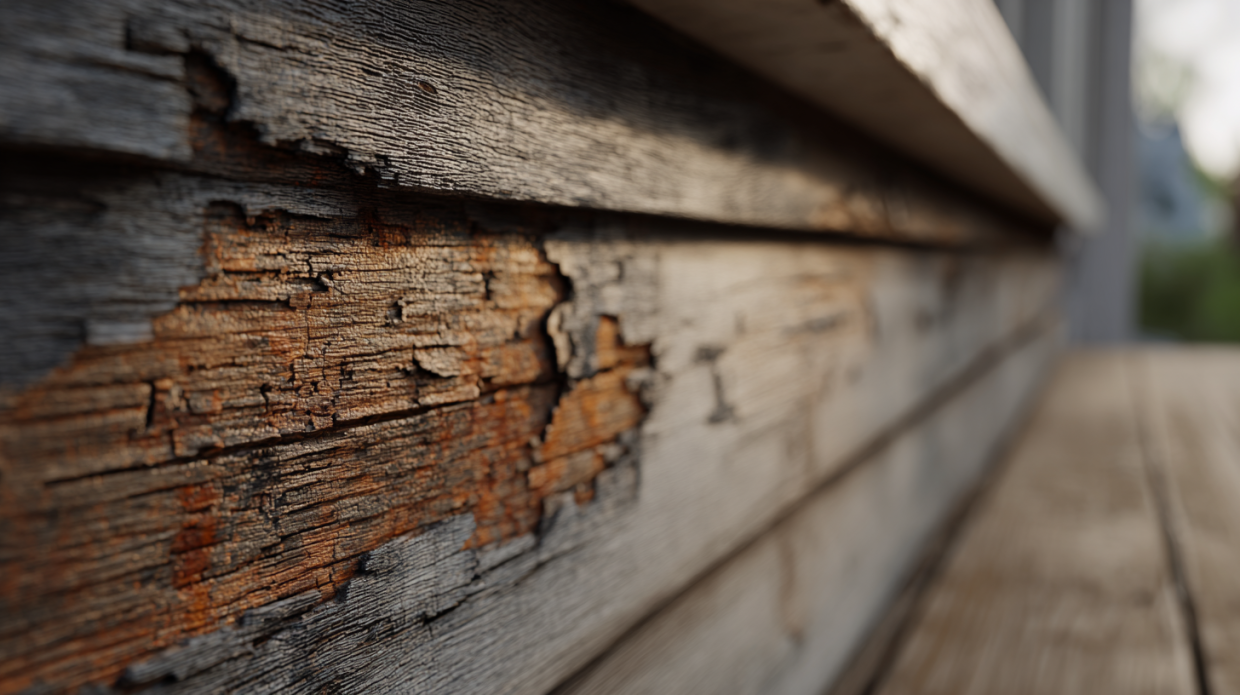
- Paint peeling on nearby trim
- Spongy wood around a corner (if accessible)
Step 5: Choose The Right Fix Path
- Small isolated damage: One or two panels may be replaceable without a full section rebuild.
- Repeat cracking or widespread siding warping: Often points to installation spacing, flashing, or water routing problems.
- Indoor symptoms plus exterior damage: Prioritize inspection, because the wall system may be affected.
For homeowners who prefer a professional route, we can walk you through options and financing with transparent estimates and quality workmanship.
What Certified Installers Look For In Winter Siding Damage
“Movement” Problems That Start At The Fasteners
Siding needs room to expand and contract. If it’s fastened too tightly, it can buckle when temperatures swing, one common cause of siding warping.
Moisture Entry Points Around Openings
Windows, doors, vents, and hose bibs need proper flashing and sealing. Miss that detail, and winter siding damage can show up as cracked siding near seams or trim.
Gutter And Roof Edge Conditions That Affect Siding
Ice dams and overflow can send water behind panels. That’s why we look at the roof edge, gutters, and siding together, because the systems work as one.
Material Condition vs. Installation Condition
Sometimes the siding is fine, but the layers behind it aren’t. Pros assess the whole assembly, so repairs actually hold.
That’s where our certifications and process matter. We’re veteran-owned, focused on clear communication, and committed to work that’s built to protect your home for decades.
Yes, You Can Prevent Most Winter Siding Damage
A few proactive steps go a long way, especially before the next storm.
- Gutters: Keep water moving away from the wall.
- Sealant touch-ups: Address small gaps around trim when temperatures allow.
- Snow management: Don’t let piles sit against siding for days.
- Tree trimming: Reduce impact risks when branches ice over.